
CPA for LLC Two papers, one company.
An LLC is one company with four possible tax lives, and the certificate you framed does not say which one you are on. The tax letter does, or the fact that there is no letter. We read both papers first. Steven Palmieri, the Tax CFO, is who keeps that monthly file, who sets the payroll file up so a provider you choose can run payday, and who prepares the return those two papers require.

Name the company letter.
The letter is a choice, not a fate.
Once a letter has named the form, a CPA files it and stops there. The Tax CFO asks whether that is the right life for this company, what the owner should be paid under it, and when to change it. The wrapper is a morning's paperwork; the choice inside it is the year's tax bill.

The month that already closed
A preparer can record the month that already closed. A Tax CFO decides which of the two papers the next open month still has time to follow.
The certificate, the tax letter, and the return that has to match them are the three decisions we keep apart.
Two papers
The state paper creates the company. The tax letter, or the lack of one, decides the return.
Click to see the two papers ›Tap to see the two papers ›
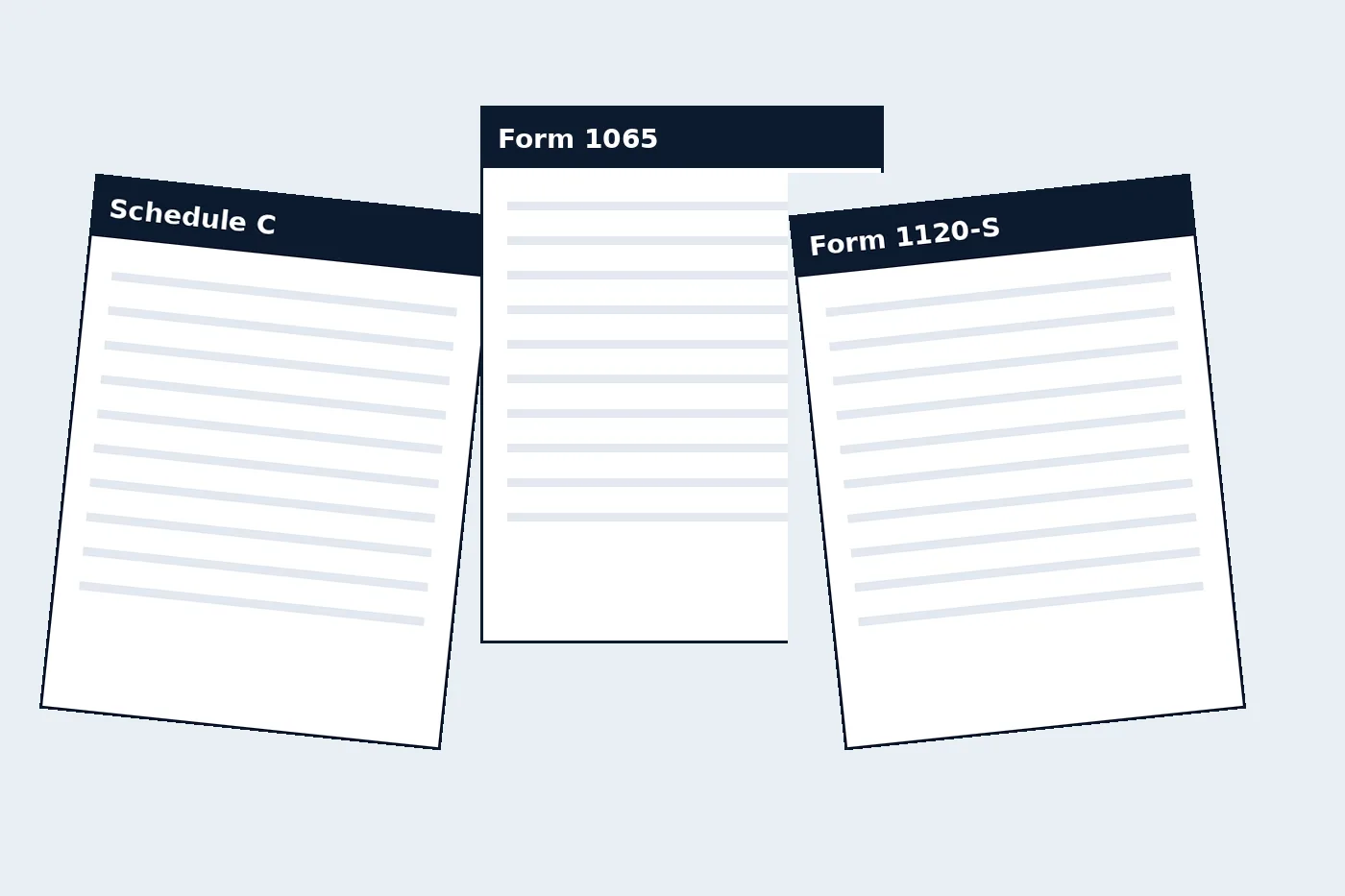
Your tax life
One owner, no letter: the company's numbers usually go on your own return. Two owners, no letter: a partnership return. We tell you which in the first call.
Click to find your tax life ›Tap to find your tax life ›
The election
An S election puts the company on its own return and sends each owner a page of the result. It is a letter, not a feeling.
Click to see the election ›Tap to see the election ›
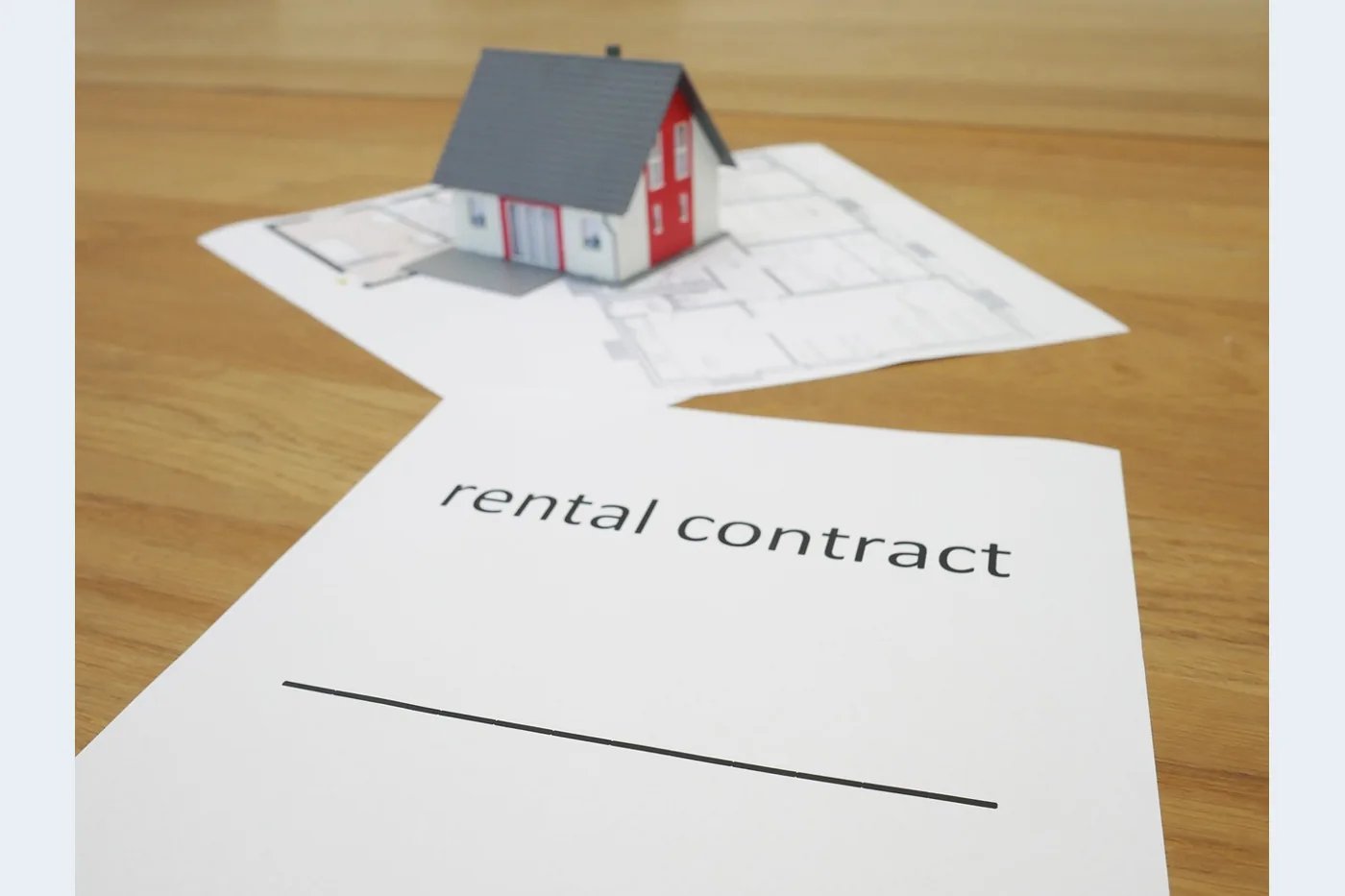
The rental
A rental inside an LLC is still a rental on the return. The wrapper did not change the form.
Click to see the rental rule ›Tap to see the rental rule ›

The close day
The close lands on the day we picked, whatever the month threw at you.
Click to see the close day ›Tap to see the close day ›
Short answers
Wages, draws, and the federal return have short answers. Open the questions you actually have.
Click to ask here ›Tap to ask here ›
Six jobs owners mix up
Open a row.
1A signed opinion on the statements Point to a signing firm
When a lender wants a signature on the statements, that signature leaves this practice. The opening conversation is where that limit gets said out loud.
A signed opinion leaves for a firm that can sign it.
2Closing the month to the bank Stays with the close
The month is finished when the bank and the file tell the same story. That close stays with us.
The month, the federal return, and the January forms stay here.
3The return that matches the election Stays with the close
The federal return has to follow the letter on file, or the absence of one. We prepare that return.
The month, the federal return, and the January forms stay here.
4The January information forms Stays with the close
Contractor payments that crossed the federal line need an information form in January. We prepare those forms with the year.
The month, the federal return, and the January forms stay here.
5A hearing in front of the IRS Point to a signing firm
A notice lists the papers. Lining those papers up is our part of it. Speaking in the hearing belongs to someone allowed in that room.
A signed opinion leaves for a firm that can sign it.
6Setting payroll up for a provider Stays with the close
We set the payroll file up. Payday stays on the provider side of the arrangement you already have. We do not run payday.
The month, the federal return, and the January forms stay here.
What the two papers are
One paper is the certificate from the state that formed the company. It gives the company a legal name and a file number. The other paper is the federal tax choice. With one owner, the activity usually lands on that owner's own return. With two or more owners, the activity usually lands on a partnership return. A letter can elect S status, and a different path keeps the company as a C corporation. None of those choices is printed on the certificate.
People arrive here after the company already exists. The useful work is not another formation speech. It is a month that matches the bank, a return that matches the letter on file, and a federal return that follows that letter even when the profit is only a schedule on the owner's Form 1040.
We keep the books. We set payroll up so a provider you already run can press payday. The statements and the reports we prepare are ones an owner can actually read. We reconcile. We prepare the return. Before the year closes we say what can still be chosen, and what is already locked because the months are finished.
Wednesday is when a lot of owners finally sit down with the deposit slip. The room is the kitchen table. A midweek hour that quiet is when the slip has to be named. A sale, money the owner put in, or money the owner took back. The hour before the door opens is a quiet loop through the shop with the lights still off. That walk is when yesterday's deposits have to match the sales. A busy night leaves two piles on the counter. Those two piles still need names before the month can finish. A week that stalls still has a close with a name on it, and the name stays on the day we already picked.
What a clean month looks like

A clean month is boring on purpose. Every deposit has a name. Every draw the owner took is in the distributions account, not mixed into wages and not mixed into contributions. The bank balance on the statement is the bank balance in the file. Sales tax collected, if the company collects it, is a liability until it is paid, not extra profit.
If the company is an S company, the wage the owner takes and the profit left behind are two numbers. A deduction that looks at wages notices a year that paid none. We do not invent a wage on the last day of December to decorate a return. If a wage is the right shape, payroll was set up early enough for the provider to run it.
Money the owner puts in and money the owner takes out do not share an account. Mixing a year's contributions with its distributions makes the year look smaller than it was, even when total equity did not change. The return reports those movements on different lines. The file has to keep them apart or the return is guessing.
What we will not pretend
The file stays unfinished until the bank balance and the book balance are the same number. Open months are finished before anyone drafts a return. A fee waits until we have seen how many months are open and whether the tax letter exists. Naming a price before that picture exists only covers the year in guesswork.
Assurance a lender wants, the examined report and the review and the compilation, is named on the disclosures page and pointed outward. A hearing is the same shape. We can gather what a letter asks for. Someone allowed to speak at the hearing does the speaking.

Who does this work.
Steven Palmieri, Tax CFO.
The role you reach on the phone is Tax CFO. This practice also calls that role the Entrepreneur's CFO, and the person in it is Steven Palmieri. Owners meet us on a video call, with the same close on the day we name, and the company stays where it already is.